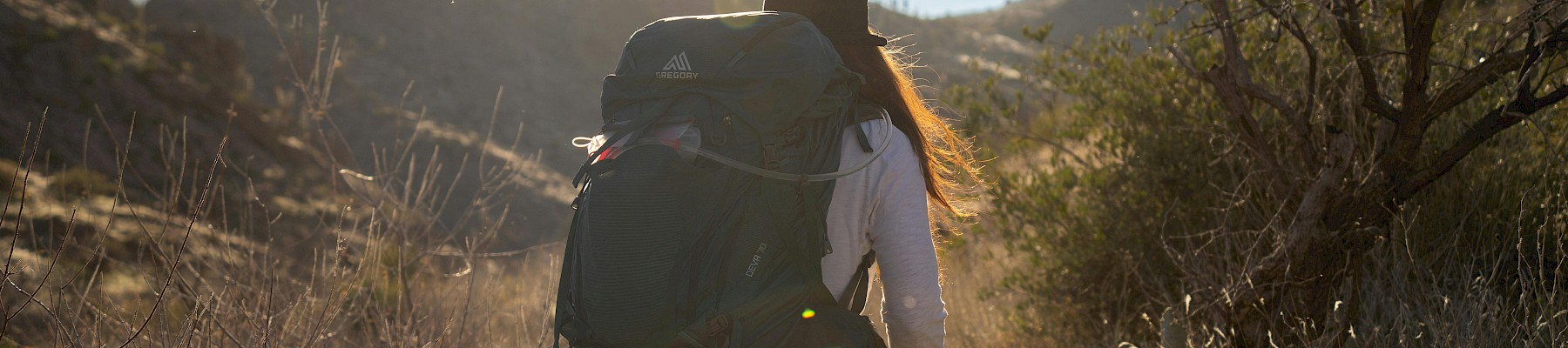
Central Oregon surprises many first-time visitors—not because of what’s there, but because of what they expect to find. While Oregon is often associated with forests and rain, Bend sits within the high desert, a landscape defined by volcanic terrain, dry air, dramatic temperature swings, and wide-open skies.
At elevations above 3,500 feet, the high desert ecosystem creates a climate unlike much of the Pacific Northwest. Summers are warm and sunny with cool evenings, while winters bring snow to nearby mountains without overwhelming the city itself. The result is a region shaped equally by alpine influence and desert conditions.
The landscape reflects that balance. Sagebrush, lava rock formations, ponderosa pine forests, and river corridors coexist within short distances of one another. Wildlife, plant life, and recreation patterns all adapt to the region’s distinct environment.
For visitors, the high desert often changes how outdoor experiences feel. Light is sharper, visibility stretches farther, and even short walks can feel expansive. Sunsets linger differently here, especially along the Deschutes River or overlooking open terrain east of town.
Places like Smith Rock, Pilot Butte, and the trails surrounding Bend offer accessible ways to experience the ecosystem firsthand, while destinations like the High Desert Museum provide additional context about the region’s geology, ecology, and cultural history.
Understanding the high desert helps visitors understand Bend itself—a place shaped not only by mountains and rivers, but by the openness and contrast of the landscape surrounding them.